

If I were to go round the world again, or to make an extended journey anywhere on its surface, I should always prefer to visit localities that would be new to me, rather than follow routes I had traveled before.
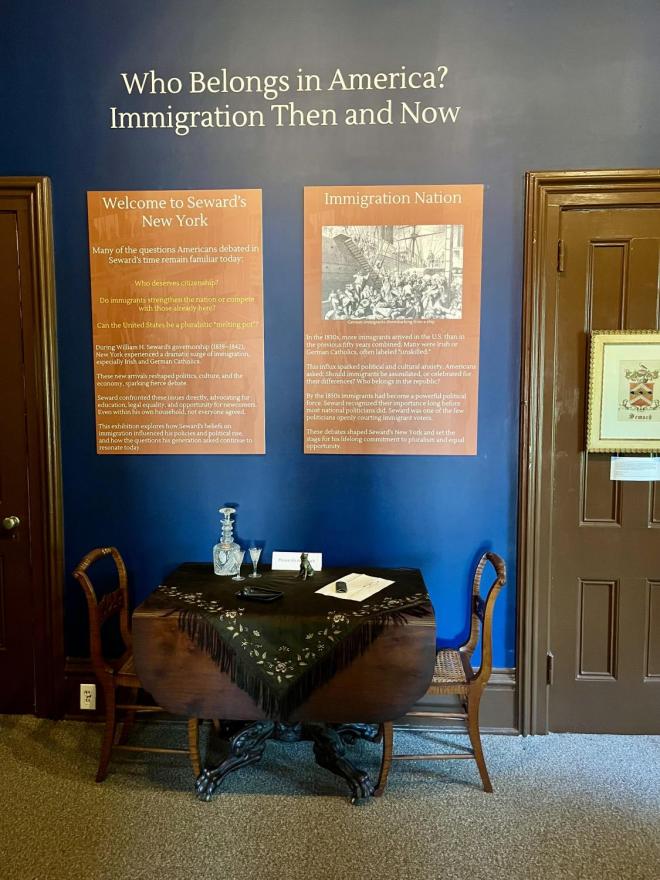
Who Belongs in America? Immigration Then and Now
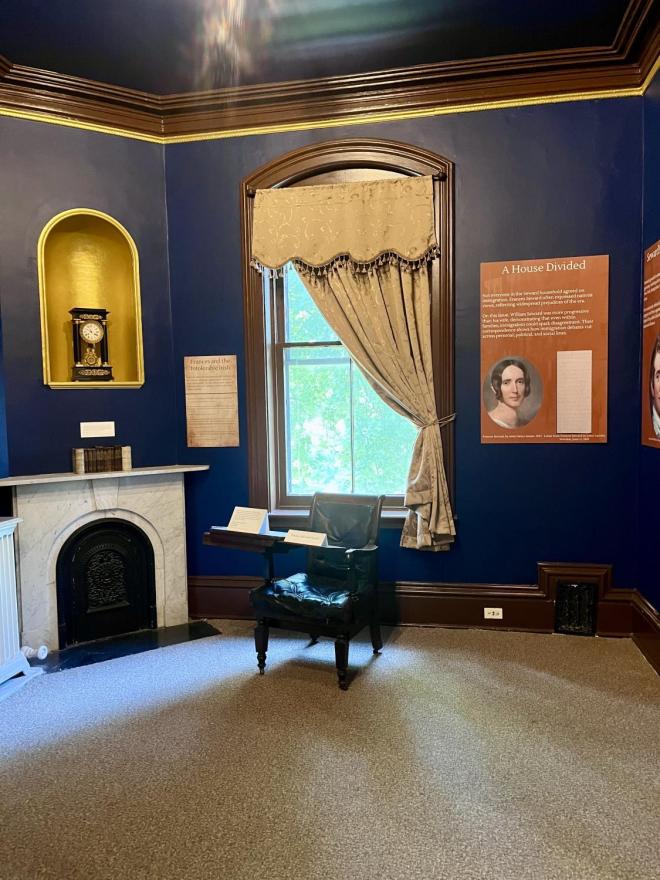
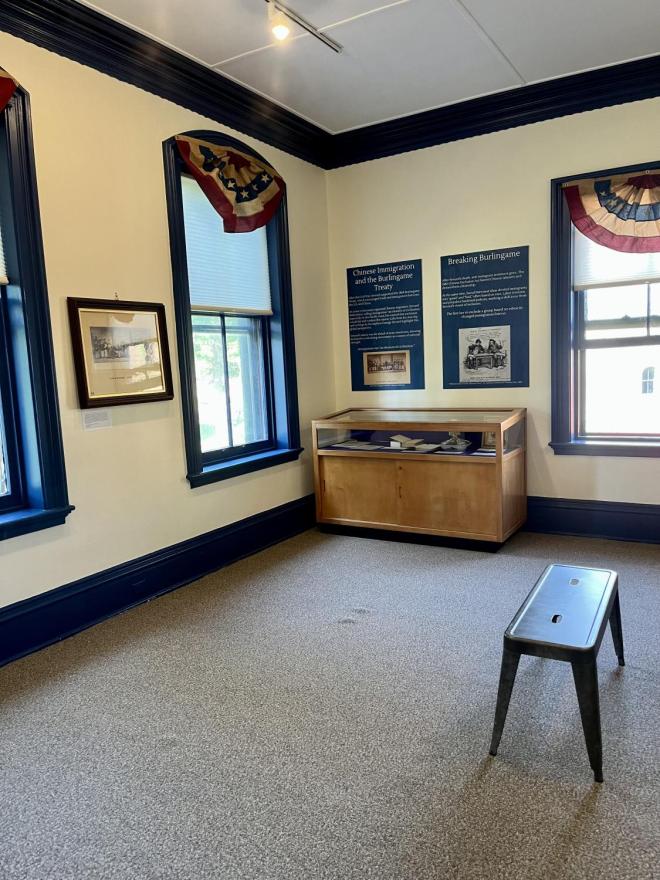
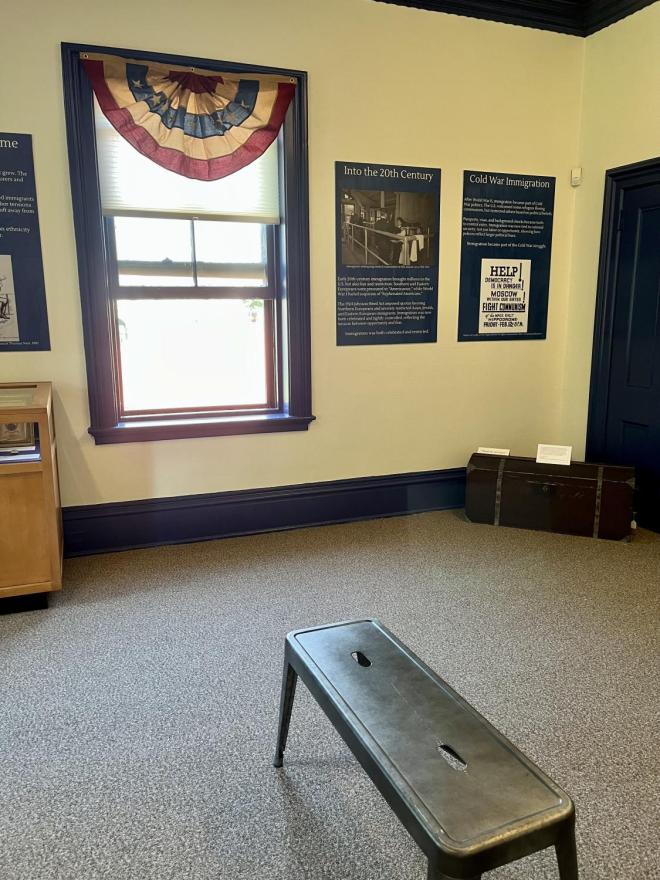
The Seward House Museum is excited to announce our new exhibit for 2026, “Who Belongs in America? Immigration Then and Now.” As a hot topic of political discourse today, the exhibit is a reminder that our contemporary debates are deeply rooted in the past. 19th-century Americans grappled with many of the same questions surrounding immigration that we do today: Who deserves citizenship? Who decides who belongs? Can a nation built on ideals of freedom and opportunity truly embrace difference? William H. Seward was a staunch supporter of immigration at a time when, much like the present day, nativist views were prevalent. During his time as Governor (1839-1842), New York State experienced a dramatic increase in immigration. The exhibit highlights Seward’s belief that these newcomers had much to contribute to American society. But not everyone in the Seward household held the same views. Frances Seward disagreed with her husband on the issue of immigration, often expressing the nativist views of the day. From the divisions happening in the Seward's marriage, the exhibit timeline continues as political fault lines appear across the nation in the 1850s and during the Civil War. Even after the family left the scene, polarization over immigration continued to pit Americans against each other, spanning generations. Visitors can explore all of that and more as the exhibit walks them through these early debates on immigration, starting with Seward’s time as Governor, and bringing them all the way through the 20th-century and to the present day. Drawing upon the collection here at the Seward House Museum and artifacts on loan from the Cayuga Museum of History & Art, “Who Belongs in America? Immigration Then and Now” encourages guests to consider how immigration is, as Seward believed, “an element of civilization.”